
The Complete Guide to Indoor Boat Storage 2026 Edition: Costs, Options & Expert Tips for US, UK & Australian Boat Owners.
This deep dive covers everything you need to know: why indoor boat storage is a no-brainer, the different types available, how much you can expect to pay, how to choose the right facility, seasonal preparation tips and specific guidance for boat owners in the US, UK, and Australia.
You’ve just pulled your boat out of the water after an incredible day on the lake. The sun is setting, the kids are tired, and all you want to do is go home.
So you park the boat in the driveway, throw a cheap cover over it and promise yourself you’ll “deal with it later.” Weeks turn into months.
The sun bakes the gelcoat. Rainwater pools in the cover, creating a perfect breeding ground for mold. Rodents find their way into the engine compartment. By spring, you’re facing thousands of dollars in repairs.
I’ve seen this happen countless times. The difference between a boat that ages gracefully and one that falls apart is how it’s stored.
That brutal sun, the salty air, the surprise thunderstorm, they all take a toll. Indoor boat storage isn’t just about getting a roof over your boat’s head; it’s about protecting a significant financial investment and sleeping well at night knowing it’s safe.
Table of Contents
What Is Indoor Boat Storage and Why Does It Matter?
Indoor boat storage means keeping your vessel inside a fully enclosed facility think warehouse storage, garage style units, or dry stack buildings rather than leaving it exposed in a marina or your driveway. It’s the gold standard for protecting your boat from the elements.
Proper storage plays a key role in preserving your boat’s condition, performance, and long term value. Harsh weather, moisture buildup, and engine wear can quickly take a toll when storage is overlooked.
A boat left outdoors is vulnerable to UV rays that fade gelcoat and crack upholstery; rain and humidity that promote mold and corrosion; wind that can damage covers and fittings, and pests like rodents and insects that chew through wiring harnesses, a multi-thousand dollar headache.
According to BoatUS, using a climate controlled facility can significantly slow down long-term wear, especially in regions with intense heat or freezing temperatures.
Indoor boat storage isn’t just an expense; it’s an investment in your boat’s longevity and resale value.
Main Types of Indoor Boat Storage
Not all indoor boat storage is created equal. Here are the four primary options, ranging from the most luxurious (and expensive) to the most practical for active boaters.
Enclosed Individual Units (Your Own Private Garage)
Think of it as a private garage for your boat. This is the top-tier option, offering unmatched privacy, security, and flexibility. You get a self-contained unit where you can store not only your boat but also fishing rods, life jackets, and other gear on shelves.
You have 24/7 access, and your boat stays completely out of sight, preventing the “sitting duck” problem of a boat left in a driveway or uncovered lot. This option is perfect for owners who want maximum control and don’t need regular valet service.
Cost range: $300–$700 per month.
Dry Stack Storage (The Valet Service)
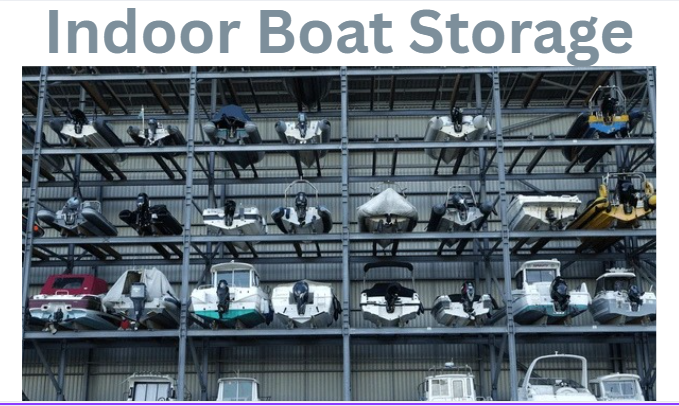
Think of a giant, multi-level warehouse for boats. This is an incredibly popular option for active boaters. You call the facility an hour or two before you want to go out, and they use a massive forklift to retrieve your boat from its rack, splash it in the water and have it tied up and ready at the dock. When you’re done, you bring it back, and they put it away.
It’s convenient, your boat stays out of the water (reducing hull growth and corrosion), and you don’t need to worry about towing and launching yourself.
However, there are trade-offs: you need to plan ahead (no spontaneous early morning fishing trips), hours of operation vary, and there’s always a small risk of damage during forklift handling.
Dry stack facilities are most common in major boating hubs, primarily for boats under 45 feet.
Cost range: $200–$500 per month.
Indoor Self-Storage Units
This is exactly what it sounds like: renting a large indoor self storage unit to keep your boat. Many people don’t realize that traditional self-storage facilities often have large units that can accommodate boats (or you can store a small boat in a garage unit).
The advantages are flexibility to bring and retrieve your boat on your own schedule, climate control options at some facilities, and the ability to store additional gear alongside the boat.
The main requirement is you’ll need your own trailer to move the boat in and out.
Cost range: $100 to $250 per month.
Climate-Controlled Warehouses
This is the premium version of indoor boat storage. These facilities maintain consistent temperature and humidity levels, which is crucial for preventing mold, mildew, rust, and corrosion, especially in coastal or high-humidity regions.
They also offer advanced security features like surveillance cameras, gated access, and onsite staff.
This is the ultimate protection, ideal for high-value boats or those stored for long periods without regular use.
Cost range: $300 to $700 per month (often at the higher end of indoor pricing).
Indoor vs. Outdoor Storage: A Direct Comparison
| Factor | Indoor Storage | Outdoor Storage |
| Protection | Full protection from sun, rain, snow, wind, salt, and pests | Minimal; UV exposure fades gelcoat, rain causes corrosion, pests can infiltrate |
| Security | High (cameras, gated access, on-site staff) | Low (driveway theft is common, open lots are vulnerable) |
| Convenience | Lower (may require scheduling for retrieval) | High (boat is ready to hook up and go) |
| Cost | $100–$700 per month | $50–$200 per month |
| Maintenance | Low (boat stays clean and protected) | High (you’re constantly cleaning, covering, and repairing) |
| Resale Value | A preserved, clean, protected boat sells for more | Diminished, faded gelcoat and cracked upholstery hurt value |
A boat that lives outdoors can still serve its purpose, but you’ll spend more time cleaning, covering, and repairing. For most owners, the extra cost of indoor storage pays for itself in reduced maintenance and preserved resale value.
Indoor Boat Storage Costs in 2026
Pricing for indoor boat storage varies dramatically depending on your region, boat size, and the type of facility you choose. Here’s what you can expect to pay.
| Storage Type | Monthly Cost (USD) |
| Outdoor / Uncovered (no cover, open lot) | $50–$200 |
| Covered (roof only, open sides) | $150–$350 |
| Dry Stack Storage (warehouse racks, valet service) | $200–$500 |
| Indoor Self-Storage (your own unit) | $100–$250 |
| Indoor Climate-Controlled (full protection, premium) | $300–$700 |
According to data from 2025-2026, the average cost of indoor covered boat storage is around $366 per month.
In areas with high demand (like coastal Florida or Southern California), prices can exceed $500 per month for premium facilities.
In inland areas with lower demand, the same level of protection may cost only $200 to $300 per month. Location, boat size, seasonal demand (prices spike in winter), and facility amenities all influence the final cost.
How to Choose the Right Indoor Boat Storage Facility
Before signing a storage agreement, here’s a mechanic’s guide to what separates a good facility from a bad one.
Security Features
Look for a fenced perimeter, gated access with codes or keycards, 24/7 surveillance cameras, well-lit parking and storage areas, and on-site staff or security patrols.
Accessibility
If you’re an active boater, check the facility’s hours of operation. Some dry stack facilities have limited hours on weekends; others offer 24/7 access for self-storage units. If you need spontaneous access, an individual unit with no retrieval restrictions is essential.
Climate Control
In high humidity or extreme-temperature regions, climate control is worth the extra cost. It prevents mold, mildew, rust, and corrosion that can destroy electronics, upholstery and engine components.
Condition & Cleanliness
Walk the facility before committing. Look for signs of standing water, mold, pest infestations, or neglected maintenance. A well-maintained facility indicates that management cares about the boats stored there.
Reviews & Reputation
Check Google, Yelp, and local boating forums for reviews. Pay attention to how the facility handles complaints and damage claims. Ask at local marinas for recommendations; they often know the best storage facilities in the area.
Insurance Requirements
Most reputable facilities require proof of insurance and may offer their own coverage for damage while in storage. Verify what’s covered before signing.
Seasonal Boat Storage: Winter, Summer & Hurricane Prep
Indoor storage isn’t just for the off-season. Depending on where you live, different seasons demand different considerations.
Winter Boat Storage Preparation
If you live in a region with freezing temperatures, proper winterization is essential. Here’s a checklist to follow before storing your boat indoors for winter:
- Clean Your Boat Thoroughly: Wash the hull, deck, and waterline. Remove dirt, algae, and salt to prevent corrosion and staining during storage.
- Remove All Gear and Personal Items: Empty fishing gear, electronics, life jackets, and anything else that can attract pests or get damaged.
- Winterize the Engine: Flush the engine with fresh water, change the oil and oil filter, fog the cylinders to prevent rust, and add antifreeze to the cooling system.
- Drain All Water Systems: Empty freshwater tanks, hot water heaters, and all plumbing lines to prevent freezing and cracking.
- Disconnect the Battery: Remove the battery, clean the terminals, and store it on a trickle charger in a climate-controlled space.
- Protect the Interior: Remove cushions and upholstery if possible, or leave them slightly elevated to allow airflow. Use moisture-absorbing products (like DampRid) inside the cabin.
- Cover the Boat: Even indoors, a breathable cover keeps dust and debris off while allowing moisture to escape.
Summer & Hurricane Storage
In hurricane-prone regions, indoor storage offers critical protection during storm season. Some facilities advertise themselves as “hurricane holes,” but verify that the building is actually rated for high winds and the location is safe from storm surges.
For summer storage, focus on preventing mold and mildew; ensure the facility has good ventilation or climate control.
Indoor Boat Storage in the United States
The US offers the widest selection of indoor boat storage options, but pricing and availability vary significantly by region.
Florida
Florida has a massive boating culture and abundant storage facilities. Prices are higher in coastal areas like Miami and Fort Myers Beach, where demand for indoor covered boat storage is intense.
A typical 40-foot boat in a premium indoor facility can cost $500 to $700 per month. Many facilities offer cinderblock construction with steady airflow, keeping units cool and humidity-free.
Texas
Texas has extensive boating on inland lakes and along the Gulf Coast. Storage costs are generally more moderate than Florida, with indoor storage ranging from $250 to $450 per month depending on location.
California
California combines high demand with high land costs. Premium indoor storage near marinas in Southern California can cost $400 to $600 per month or more. Facilities often advertise $3.15 per square foot plus tax in areas like Miami (serviceable for California comparisons).
Many boat owners in California rely on dry stack facilities for convenience, especially in major sailing hubs.
Recommended Storage Facilities
Use search tools like Spare Foot and Neighbor.com to compare pricing and availability in your area.
100% of listings on Neighbor include security cameras for enhanced safety, and 86% of locations have no outdoor exposure. Spare Foot aggregates dry stack storage, indoor individual units, and traditional self-storage.
Indoor Boat Storage in the United Kingdom
Boat storage in the UK operates differently than in the US. The UK has a strong tradition of dry berthing (similar to dry stack storage) and marina-based winter storage.
Key Facts for UK Boat Owners
- Most UK indoor storage is seasonal (winter storage). Unlike the US, where many facilities store boats indoors year-round, UK facilities typically offer “winter storage” from October to April.
- Prices are often quoted per foot for the winter season, not per month. Annual storage fees range from £383 to £403 per vessel.
- Climate control is less common than in the US. UK facilities focus on providing covered, dry shelter rather than temperature-controlled environments.
- Self-storage units for boats are less common than in the US. Boaters typically use marina-based dry berthing or purpose-built indoor storage facilities associated with boatyards.
Recommended Solutions for UK Boat Owners
- Marina Dry Berthing: Many UK marinas offer dry stack or covered storage for boats up to 45 feet. Contact your local marina for rates and availability.
- Specialist Yacht Storage: Companies like Wasa Yachts offer indoor winter storage in large warehouses.
- Self-Storage Alternatives: Some self-storage facilities accommodate smaller boats, but they’re less common than in the US. Check with Xtraspace, which offers designated areas for cars, caravans, and boats in South Africa, though UK equivalents may be limited.
Indoor Boat Storage in Australia
Australia’s climate intense sun, high humidity in coastal areas, and extreme heat makes indoor storage particularly valuable. However, the market is smaller than in the US, and options are more limited.
Key Facts for Australian Boat Owners
- Indoor storage is less widely available than in the US. Many boat owners rely on covered outdoor storage (a roof but open sides) or marina dry stacking rather than fully enclosed individual units.
- Climate control is rare and expensive. Most “indoor” storage in Australia means covered warehouse storage without active temperature control.
- Australia averages 225% higher price per square foot than the USA for self-storage generally, which reflects on boat storage costs as well.
Recommended Solutions for Australian Boat Owners
- Marina Dry Stack Storage: Major marinas in Sydney, Brisbane, Gold Coast, and Perth offer dry stack facilities. Contact local marinas directly; pricing is typically quoted annually.
- Specialist Boat Storage Yards: Companies like Boat Storage Australia offer secure indoor warehouse storage for boats up to 45 feet.
- Covered Outdoor Storage: Given the limited indoor options, many Australian owners opt for high quality custom covers and covered outdoor parking (a carport style roof) as a more accessible alternative.
- Self-Storage Comparison: The UK averages about 60% higher self-storage prices than the USA, with Australia even higher. For Australian owners, comparison shopping across facilities is essential.
Step by Step: Preparing Your Boat for Indoor Storage
Even with excellent indoor storage, proper preparation is essential. Here’s what to do before handing over your keys:
Step 1: Wash and Dry Everything. Clean the hull, deck, and interior thoroughly. Dirt and salt accelerate corrosion and staining.
Step 2: Remove Valuables and Electronics. Take out fishing gear, electronics, life jackets, and anything portable that could be damaged or attract pests.
Step 3: Winterize the Engine (if needed). Flush with fresh water, change oil, fog cylinders, add antifreeze.
Step 4: Drain All Water Systems. Empty freshwater tanks, water heaters, and plumbing lines.
Step 5: Disconnect the Battery. Remove batteries and store them on a trickle charger in a climate-controlled space.
Step 6: Inspect and Repair. Check for cracks, leaks, or damage. Make repairs before storage so you don’t forget them by spring.
Step 7: Use Moisture Absorbers. Place Damp Rid or silica gel packs inside the cabin to absorb humidity.
Step 8: Cover Your Boat. Even indoors, a breathable cover keeps dust off and protects upholstery from curious pests.
Step 9: Leave the Battery Compartment and Cabin Vents Open. This allows air circulation and prevents moisture buildup.
Step 10: Document Everything. Take photos of your boat’s condition before storage. This protects you in case of damage claims.
My Final Thoughts
Indoor boat storage is one of the best investments you can make in your boat’s longevity and your own peace of mind. The sun, wind, rain, and humidity all degrade gelcoat, upholstery, electronics, and engine components over time.
A boat left outdoors for a single winter can suffer thousands of dollars in damage that could have been prevented for a few hundred dollars in storage fees.
Whether you’re in the US, the UK, or Australia, the principles are the same: choose a facility with strong security, visit it in person before committing, prepare your boat thoroughly before storage, and budget for the protection that will preserve your investment for years to come.
Your boat took you to incredible places this season. Give it the protection it deserves until you’re ready to head back out on the water.
Frequently Asked Questions (FAQs)
How much does indoor boat storage cost per month?
Indoor boat storage typically costs between $100 and $700 per month, depending on the type of facility, boat size, location, and amenities. Basic indoor self storage units start around $100 per month, while premium climate controlled warehouse spaces can exceed $500 per month.
Is indoor boat storage worth the extra cost?
For most boat owners, yes. Indoor storage protects your boat from UV damage, moisture, pests, and theft preserving its value and saving thousands in repairs over time. If you store your boat outdoors, you’ll spend more on cleaning, maintenance, and repairs. For high-value boats or owners in harsh climates, indoor storage is a no-brainer.
What size storage unit do I need for a 25-foot boat?
Measure your boat’s length, width (beam), and height (including the trailer). A typical 25-foot boat requires a storage unit roughly 12×40 feet. For smaller boats (15–25 feet), a 20-foot unit may be sufficient. Always confirm with the facility before renting.
What factors affect indoor boat storage pricing?
Location, boat size, storage type, seasonal demand, and facility amenities all influence pricing. Coastal areas and major cities cost more than inland locations. Climate control, 24/7 access, and advanced security features add to the price.
Are there indoor boat storage options in the UK and Australia?
Yes, but they’re less common than in the US. In the UK, winter storage at marinas and boatyards is typical, with fees often quoted for the season. In Australia, covered outdoor storage and dry stack marinas are more common than fully enclosed individual units. Prices are generally higher in both regions than in the US.
How do I find indoor boat storage near me?
Use online platforms like SpareFoot and Neighbor.com to compare prices and availability. For marina-based dry stack storage, contact local marinas directly. Read reviews and visit facilities in person before signing a contract.
How do I prepare my boat for indoor storage during winter?
Follow the 10-step checklist above: clean thoroughly, remove gear, winterize the engine, drain water systems, disconnect the battery, use moisture absorbers, and cover the boat. Proper preparation prevents costly damage.
Can I store my boat in a standard self-storage unit?
Yes, if the facility has large enough units (typically 10×20 feet or larger) and allows boat storage. Many self-storage facilities accommodate boats, but always check their policies first. You’ll need your own trailer to move the boat in and out.
Disclaimer: This article is for informational purposes only. Pricing and availability for indoor boat storage vary by location, season, and facility. Always verify current details with local storage providers before making a commitment. Gear Gallery may earn a commission from affiliate links included in this article.
