
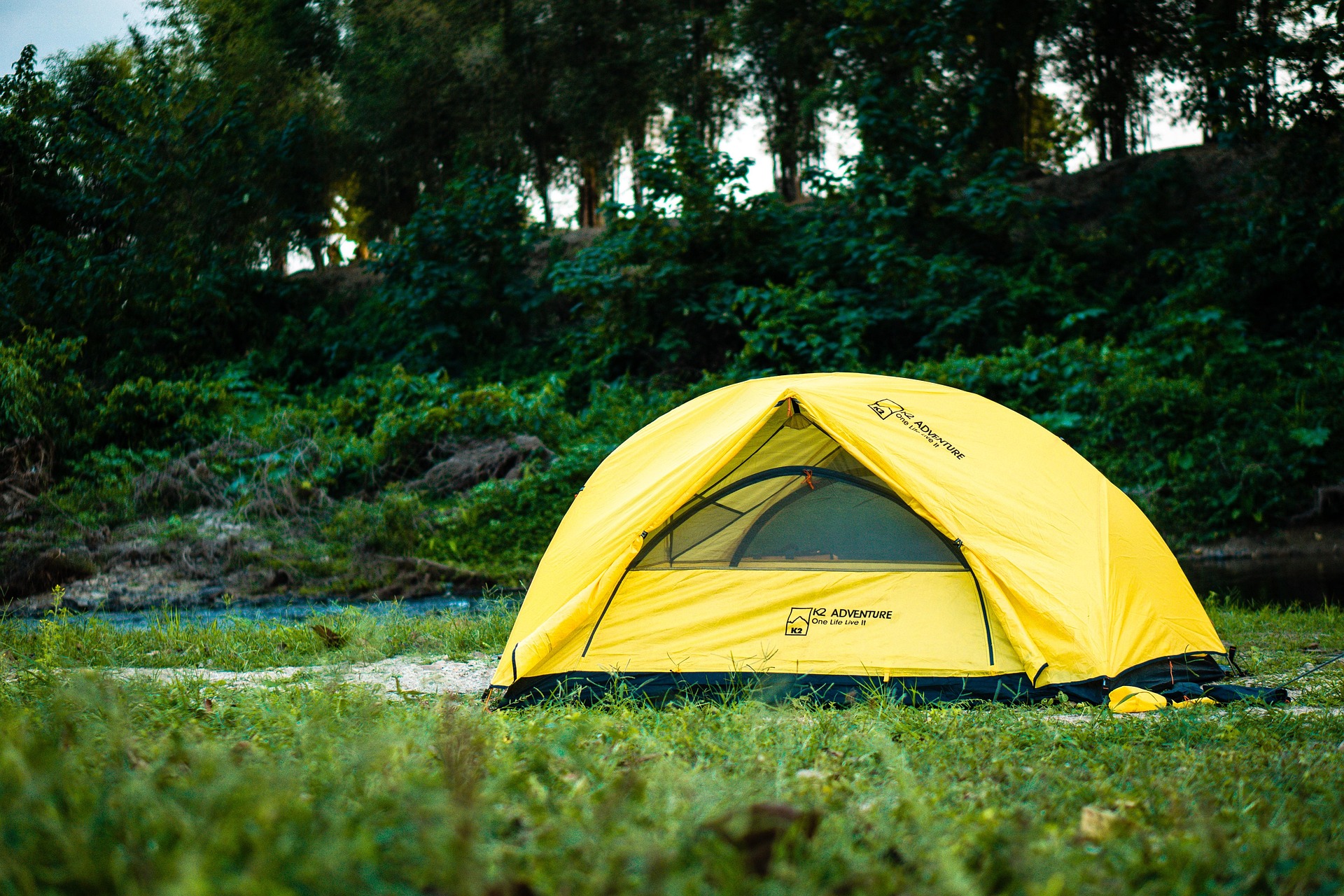
Ultimate Guide to Camping Tents, Popular Types and Factors to Consider When Buying.
A good camping tent does more than keep the rain off your sleeping bag. It provides security, privacy, and a comfortable microclimate after a long day in the elements.
The smell of pine needles under a morning sky, the crackle of a campfire, and the simple joy of zipping up your shelter after a long day on the trail few experiences compare to a night spent under canvas.
Whether you’re deep in the Rocky Mountains, pitching up on a Cornish cliffside, or waking to kookaburras in the Australian bush, your tent is your home away from home.
But with so many options out there, from ultralight backpacking shelters to multi-room canvas palaces how do you find the right one? In 2026, tent technology is better than ever, with new materials and designs catering to every style of camping.
This deep dive guide breaks down the most popular types, the best models for American, British and Australian campers, and all the key features you need to look for.
Table of Contents
Why Your Tent Matters: More Than Just Shelter.
In the US, over 53 million households now participate in camping making it one of the most popular outdoor activities in the country.
Across the UK, the rise of “staycations” and festival culture has fuelled demand for durable, easy‑to‑pitch tents.
And in Australia, where conditions range from tropical downpours to scorching outback sun, a tent’s breathability and UV protection can make or break a trip.
Choosing the wrong tent can lead to sleepless nights, wet gear, and a shortened trip. The right tent, however, becomes a cherished part of your outdoor kit for years.
The key? Understanding the different tent categories and matching them to your specific camping style.
Popular Types of Camping Tents and How to Choose.
Not all tents are created equal. Here’s a breakdown of the most common types, with examples of best‑in‑class models you’ll find in 2026.
1. Family Camping Tents.
Best for: car camping, extended stays, groups of 4‑8 people.
Key features: high ceilings, room dividers, large vestibules, durable poles.
Family camping tents prioritize space and livability over weight. They’re designed to be hauled from car to campsite and then set up for several days.
- The North Face Wawona 6 has been a long‑standing favorite. With an 86 square foot interior and a massive two‑pole vestibule that acts like a gear garage, it offers an incredible amount of comfortable space. It’s built to last and has performed impressively in severe weather tests.
- REI Co‑op Base Camp 6 was named by Gear Junkie as the best all‑around camping tent of 2026. It reigns supreme as a “tent tuned to do it all” with excellent weather resistance, a huge vestibule, and two doors for easy access.
- Quechua Inflatable Camping Tent Air Seconds is the best overall pick for UK families. The 8‑berth, 29kg air dome uses inflatable beams instead of traditional poles. Its sturdy structure and 4‑beam design earned high marks for reliability, and the set‑up is genuinely fun.
- Robens Klondike merges classic design with modern materials. The polycotton fabric is breathable yet waterproof. Available in sizes up to a “Grande” that sleeps six, it’s a stylish, long‑lasting bell tent for families who want to combine comfort with a vintage aesthetic.
2. Backpacking & Ultralight Tents.
Best for: Hikers, thru‑hikers, bikepackers and anyone who carries their shelter on their back.
Key features: sub-2 kg weight, collapsible poles, small pack size.
Every gram matters on the trail, so backpacking tents strip away non‑essentials while maintaining weather resistance.
- Big Agnes Copper Spur UL2 (UL3 for extra space) is widely considered the best overall backpacking tent of 2026. It offers an excellent balance of low weight and spaciousness, with dual vestibules and doors that make sharing easy.
- Durston X‑Mid Pro 1 is the darling of the ultralight community. Weighing just over one pound (including stakes), it’s one of the lightest fully enclosed shelters on the market, yet it offers surprising spaciousness and storm‑worthiness. It uses trekking poles for support, saving even more weight.
- Nemo Dagger Osmo 3P is a 3‑person shelter that stands out for its sustainability it’s made from 100% recycled materials and is fully bluesign‑approved. The new pole design offers better headroom and stability.
- Robens Klondike works for wild camping in Scotland or lightweight tours in Wales and the Lake District.
3. 4 Season & Winter Tents.
Best for: Mountaineering, winter ski touring, high‑altitude expeditions and campers who brave the snow.
Key features: Sturdy aluminium poles, minimal mesh, strong fabrics, aerodynamic shapes.
These are the bomb‑shelters of the tent world. They’re designed to shed snow and withstand high winds.
- Mountain Hardwear Trango 2 has been trusted for years in the world’s most inhospitable regions. It’s a heavy but incredibly robust basecamp tent with a double‑wall design and a full‑coverage fly that connects to both poles and the tent body for security in high winds.
- SlingFin Portal 2 offers expedition‑level weather protection at a lower weight. It’s a top choice for mountaineers who need strength without the heavy pack weight of traditional 4‑season tents.
- White Duck Regatta Canvas Bell Tent is the editor’s choice for serious winter canvas camping. The heavy‑duty cotton canvas is naturally breathable, and the integrated stove jack allows you to safely use a wood‑burning stove inside, transforming your tent into a toasty winter lodge.
- MSR Access 2 is a favourite “weekend warrior” tent that bridges the gap between 3‑season backpacking and 4‑season security.
4. Budget Tents (Under $100 / Under £100).
Best for: First‑time campers, festival goers or anyone needing a spare tent for guests.
Key features: simple dome designs, fibreglass poles, basic weather protection.
Budget tents require trade‑offs, but the value in this category has improved dramatically.
- Coleman Sundome 4‑Person is the reliable standby. It’s affordable, easy to set up, and has proven weather protection, making it a great entry into car camping.
- Naturehike Cloud‑Up 2 is often called the “budget Big Agnes”. Weighing under 4 pounds with a 4000mm hydrostatic head waterproof rating, it’s a legitimate ultralight tent that works for backpackers on a tight budget.
- Robens Starlight EXP 1 was named “Best in Test” for 2026 budget tents by The Great Outdoors Magazine. It’s a reliable solo shelter that punches above its price class in terms of weather resistance and build quality.
- Vango Scafell 200 is a fast‑pitching, lightweight dome that’s perfect for trekkers, hikers and festival goers, offering year‑round performance with a 3000mm hydrostatic head rating.
5. Glamping & Canvas Bell Tents.
Best for: Luxury camping, long‑term basecamps, family holidays with a touch of style.
Key features: Heavy cotton canvas, single central pole, high ceilings, stove jacks.
This is camping in comfort. Bell tents are heavy, bulky and impractical for hiking, but they transform a weekend into an experience.
- Robens Klondike is a perennial favourite among UK glampers. Available in three sizes, it features breathable polycotton fabric, a 270cm peak height and protective eaves. It’s the tent you want for a week in the Lake District with the family.
- White Duck Regatta Canvas Bell Tent is a 4‑season canvas shelter that’s built to last. The heavy‑duty cotton is waterproof and breathable, and the stove jack allows for year‑round use.
- Homecamp Classic Bell Tent, from an Australian brand, is a true 4‑season shelter engineered for both snow and desert conditions. The 385gsm canvas is custom‑dyed and weather‑sealed, and the PVC floor is sewn directly into the base.
- DANCHEL Bell Tents are widely available in Australia and offer roomy 3m to 6m diameters, sleeping up to 12 people, with options for stove jacks and high‑quality waterproofing.
Key Factors to Consider When Choosing a Camping Tent.
Beyond the categories, there are five key features that will determine your satisfaction with any tent.
Season Rating.
- 3‑Season Tents: Designed for spring, summer and fall. They balance airflow with weather protection and are suitable for most camping in the US, UK and Australia.
- 3‑4 Season Tents: A hybrid with more mesh than a true winter tent but stronger poles than a 3‑season. Great for high‑wind coastal areas or early‑spring snow.
- 4‑Season Tents: Built for winter camping. Stronger, heavier and with less mesh to trap heat. Choose these for snow or alpine expeditions.
Capacity: The “Divide by Two” Rule.
Manufacturer capacity ratings are famously optimistic. A “4‑person” tent fits four sleeping bags side‑by‑side with zero gear inside. For real‑world comfort, divide the listed capacity by 2. So a 4‑person tent is comfortable for two adults plus a child or gear. Always check floor dimensions rather than the listed person count.
Weather Protection: Hydrostatic Head (HH).
The hydrostatic head rating tells you how waterproof the fabric is (measured in mm). A 3000mm rating is a good standard. For the rainfly, look for at least 2000 mm, and for the floor, at least 3000 mm. Factory‑taped seams are essential; unsealed stitching is the most common leak point.
Setup Speed.
- Instant/Pop‑Up Tents: Pre‑attached poles that lock into place in under 60 seconds. Very convenient but bulky to pack.
- Dome Tents with Clip‑on Poles: Balance speed and weight. Great for most car campers.
- Trekking‑Pole Tents: Ultralight designs that use your hiking poles as support. Very packable but slower to pitch.
Pole Material.
- Aluminium (7001 or 7075 alloys): Lighter, stronger and more durable. Found on almost all quality tents.
- Fibreglass: Heavier and more prone to cracking, especially in cold weather. Keeps costs low on budget tents.
Where to Buy the Best Camping Tents.
Once you’ve narrowed down your type, you’ll need to know the best places to buy in your region.
| Country | Retailer | Best For |
| USA | REI Co‑op | A massive selection of top‑brand tents (Big Agnes, MSR, NEMO), expert advice and a generous return policy. Members earn 10% back annually. |
| USA | Amazon | Huge selection, frequent discounts and fast shipping. Great for budget tents or Coleman models. |
| UK | Decathlon | Incredible value on tents like the Quechua inflatable range. The Air Seconds 8‑berth family tent is a standout. |
| UK | Go Outdoors | The UK’s largest camping retailer. Price‑match guarantee and a massive physical showroom to try before you buy. |
| Australia | BCF | The largest selection of camping gear in Australia, with a strong range of canvas and dome tents. |
| Australia | Anaconda | Great for 4‑season and extreme‑weather tents. Also carries Australian‑specific brands like Wanderer and OZtrail. |
Tent Maintenance & Storage.
A quality tent is an investment. Follow these steps to make it last for years.
After Every Trip:
- Clean the tent with a soft brush or cloth. Rinse off mud and dirt.
- Never machine wash or dry clean your tent. Use a specialised tent cleaner or mild, non‑detergent soap with lukewarm water.
- Air dry the tent completely. This is the most important step. Even a little moisture will cause mildew and delamination.
Before Packing Away:
- Check for small holes or tears. Repair them with a patch kit immediately.
- Ensure the tent is 100% dry. Set it up in a shaded, well‑ventilated area for several hours if needed.
Long‑Term Storage:
- Do not store your tent compressed in its stuff sack long‑term. Instead, store it loosely in a large cotton storage bag or pillowcase to allow the fabric to breathe.
- Keep it in a cool, dry place away from UV light and extreme temperatures.
Conclusion: Find Your Perfect Shelter
Whether you need a lightweight Big Agnes for a solo trek, a spacious REI Base Camp for a family weekend, a sturdy Mountain Hardwear Trango for a winter climb, or a classic canvas bell tent for a glamping getaway, 2026 offers more great tents than ever before.
Take your time, match the tent to the type of camping you actually do, and invest in quality where it matters most: waterproofing, pole strength and livable space. Your home away from home is out there go find it.
Frequently Asked Questions (FAQs).
What’s the best way to repair a hole in a mesh tent wall?
Use a mesh repair patch or a small piece of no‑see‑um mesh attached with silicone seam sealant. A standard patch will block airflow.
How many people can a “4‑person” tent realistically hold?
For sleeping only, four very friendly adults. For a comfortable family camping trip with gear inside, that same tent is best for two adults and a child, or a couple with plenty of elbow room.
Is a footprint necessary?
Yes. A footprint (groundsheet) protects the floor of your tent from abrasion, punctures and moisture. It significantly extends the life of your tent. You can buy a custom one from the manufacturer or cut a piece of Tyvek to size.
What does “double‑wall” mean?
A double‑wall tent has two layers: an inner mesh body and a separate outer rainfly. This design manages condensation by allowing moisture to pass through the mesh and drip down the inside of the fly, away from you and your gear. Almost all quality tents are double‑wall.
Is it safe to cook inside a tent?
No. Never cook inside a tent, even in the vestibule. The carbon monoxide from stoves can be deadly in an enclosed space, and one spark can destroy your shelter. Always cook well away from the tent entrance.
Can I wash my tent in a washing machine?
Never. The agitation will strip waterproof coatings, damage the seam tape and ruin the shape. Hand‑clean only using lukewarm water and a soft brush or cloth. If you must use a detergent, choose a specialised tent cleaner or a mild, non‑detergent soap.
What are air tents?
Air tents use inflatable beams instead of traditional poles. They’re popular for family car camping because they’re quick and intuitive to pitch; just pump them up. However, they’re heavier, bulkier to pack and can be expensive to repair if the beams puncture.
Disclaimer: This article is for informational purposes only. Product specifications, availability and pricing are subject to change. Always verify current details with official retailers before purchasing.
