
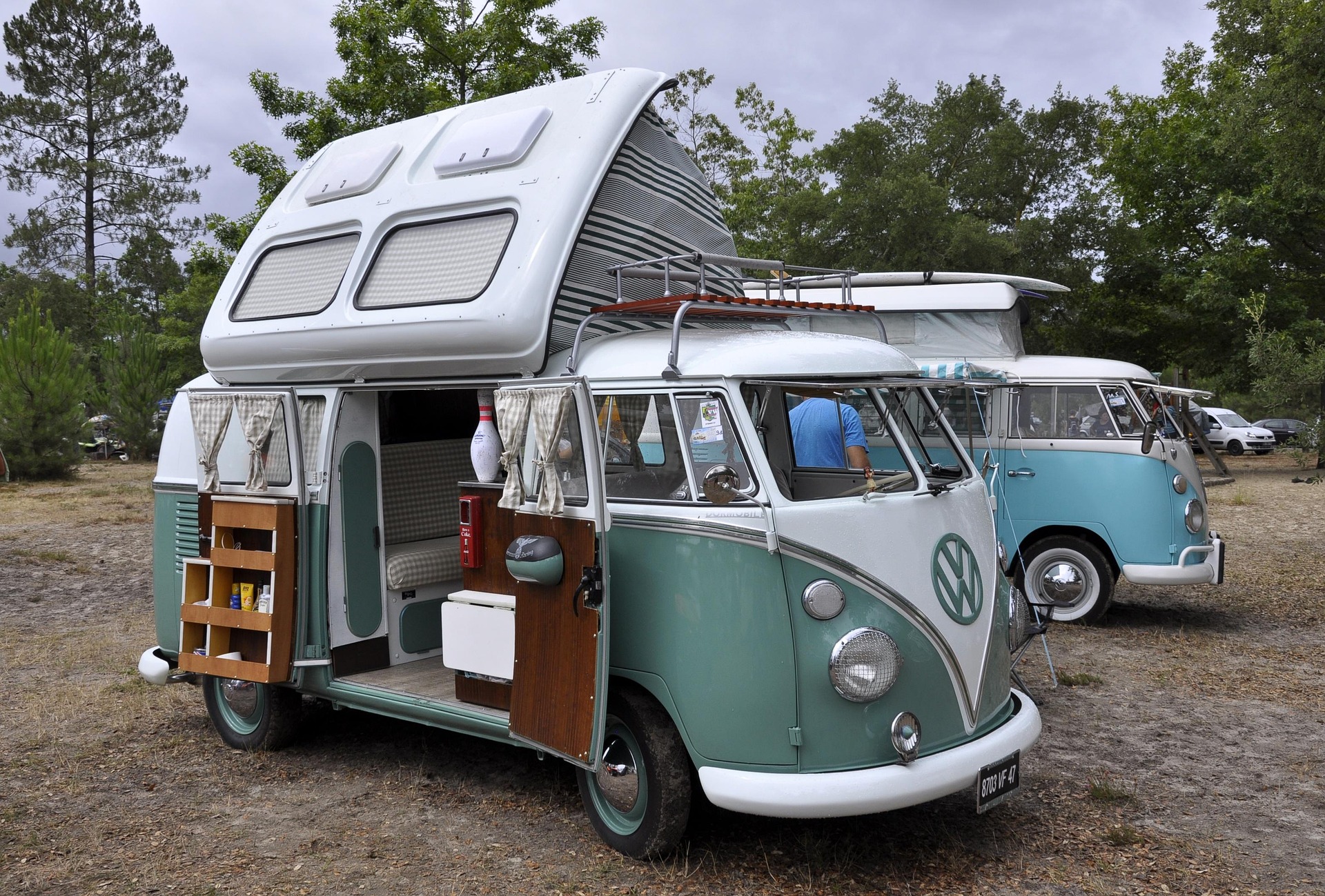
Introduction to car camping: essentials, top car camping destinations, and camping tips.
Car camping is the ultimate adventure. You don’t need to strap everything to your back, count every ounce, or worry about fitting it all into a tiny pack.
Instead, you can pack the cooler, grab the king‑sized sleeping bag, and turn your vehicle into a mobile basecamp. It’s camping with a serious comfort upgrade.
But what exactly is car camping, and what separates a memorable trip from one that feels like a chore?
In this deep dive, we’ll cover everything you need to know: from the best tents and stoves to the most scenic car camping destinations across the US, UK, and Australia.
Whether you’re a first‑time camper or a seasoned road‑tripper, this guide is your roadmap to sleeping under the stars without sacrificing a good night’s sleep.
Table of Contents
What Is Car Camping?
At its simplest, car camping is driving your vehicle to a designated campsite and setting up your shelter (usually a tent) within walking distance of where you parked.
It’s the opposite of backpacking: weight and space are rarely a concern because you’re not carrying your gear for miles. This gives you the freedom to bring luxuries like the following:
- A proper camp stove with a griddle for pancakes and bacon
- Thick, inflatable sleeping pads or even a full‑size air mattress
- A spacious tent tall enough to stand up in
- Folding chairs, a camp table, and a canopy for shade
- Coolers full of fresh food and cold drinks
Car camping is also often the first step into the world of outdoor recreation. It’s an accessible, low‑stakes way to experience nature.
Whether you’re booking a site at a state park with electrical hookups or wild camping on public lands, the principle is the same: you park, you pitch, and you enjoy.
The Essential Car Camping Gear Checklist.
Packing for a car camping trip is different from backpacking. You’re not trying to break weight records; you’re trying to create a comfortable home away from home. Here’s a checklist of the most important gear categories.
Shelter – The Best Car Camping Tents
In car camping, you don’t need an ultralight tent. You want something spacious, weather‑resistant, and easy to pitch.
Look for a tent with a peak height that allows you to stand up, multiple doors and vestibules for gear storage, and good ventilation for summer nights.
The Camp Chef Everest 2X is one of the best for car camping. It has two powerful 20,000 BTU burners and a nearly seamless windscreen that keeps the flame stable even on windy ridge lines.
For a more traditional setup, the Kelty Caboose 4 has a clever vestibule that attaches to the rear of your SUV, creating a direct passage between your car and tent.
SUV tents like the Napier Sportz 82000 are also popular, turning your vehicle into a true basecamp with a sheltered area for changing or storing gear.
Cooking – The Best Camp Stoves & Camp Kitchens.
A good camp stove is the heart of your outdoor kitchen. For car camping, two‑burner propane stoves are the standard.
The Coleman Cascade Classic is beloved for its excellent flame control, which means you can simmer sauces and fry eggs without scorching them.
It’s affordable, easy to use, and widely available. If you want a more integrated setup, the Smittybilt Galley Compact Stove & Camp Kitchen packs a dual‑burner stove, storage, and a prep surface into a single rugged unit.
Add a portable fire pit like the Solo Stove Ranger for evening ambiance and s’mores, and don’t forget a nesting cookware set with a pot, frying pan, and plates.
Sleeping – Pads, Bags & Pillows.
Sleep is the secret ingredient to a successful car camping trip. You can afford the weight and bulk of a truly comfortable sleeping pad.
The Oramoose Camping Sleeping Pad is 4 inches thick, inflates in about 30 seconds with a built‑in foot pump, and has a V‑shape support system that’s ideal for side sleepers.
For couples, the Exped MegaMat Duo is often called the most comfortable double sleeping pad available. Pair your pad with a sleeping bag rated 10–15°F warmer than the lowest expected temperature.
Even in summer, mountain nights can get surprisingly cold. A compressible camping pillow and a set of flannel sheets or a sleeping bag liner can also make a big difference in comfort.
Camp Furniture – Chairs, Tables & Organization
You’ll spend a lot of time sitting around the campsite, so a good chair is essential. The Mica Basin Armchair is one of the cushiest collapsible chairs available, with color-coded aluminum poles that make setup easy.
A foldable camp table gives you a clean surface for food prep and dining. For storage, collapsible gear boxes like the Rux 70L keep your cooking utensils, lanterns, and toiletries organized and off the ground.
Power & Lighting – Stay Connected & Safe
Car camping means you have access to your vehicle’s 12‑volt outlet, but a portable power station is a game‑changer.
The Anker SOLIX C1000 can run a portable fridge, charge phones and laptops, and power lights for days. For lighting, bring a combination of a bright LED lantern for the camp kitchen and headlamps for hands‑free movement.
And always pack a reliable first‑aid kit, a fire extinguisher, and a basic tool kit in your car.
Top Car Camping Destinations in the US.
The US is a car camper’s paradise, with everything from desert solitude to alpine lakes and coastal cliffs.
- Black Hills & Badlands Loop, South Dakota: This loop is perfect for families. You can spend days exploring the Badlands’ otherworldly rock formations, Custer State Park’s wildlife, and the historic town of Deadwood. There are tons of campground options, from full-hookup RV sites to primitive boondocking spots.
- Scenic Byway 12, Utah: Utah’s red rock country is legendary. Byway 12 winds through Grand Staircase‑Escalante and Bryce Canyon. Free car camping (boon docking) is abundant on Bureau of Land Management (BLM) lands, and the dispersed sites offer incredible night skies.
- Alabama Hills, California: Just west of Lone Pine, this area is famous for its rounded boulders and unobstructed views of Mount Whitney. It’s a free car camping hotspot, but arrive early to snag a spot.
- North Shore Scenic Drive, Minnesota: For a completely different vibe, head to the North Shore of Lake Superior. State parks like Gooseberry Falls and Temperance River have excellent campgrounds right on the lake. Make sure to book ahead for weekends.
- The Dyrt Road Trip Guides: In 2026, the camping app The Dyrt released seven comprehensive road trip guides covering iconic routes from the Atlantic to the Pacific, each with 10 top‑rated campgrounds.
Pro Tip for the US: BLM and National Forest lands often allow dispersed camping (free, undeveloped camping) anywhere not otherwise posted.
Always follow Leave No Trace principles: pack out everything, use existing fire rings, and camp at least 200 feet from water sources.
Top Car Camping Destinations in the UK.
The UK is crisscrossed with public footpaths and dotted with historic villages, making it a fantastic destination for car camping.
However, the weather can be unpredictable, and wild camping is generally restricted in England and Wales (though legal in much of Scotland).
- The North Coast 500, Scotland: Scotland’s answer to Route 66 is a 516‑mile loop around the northern Highlands. It offers dramatic coastlines, ancient castles, and wild camping opportunities (in Scotland, wild camping is legal under the Land Reform Act, provided you do so responsibly). The best time is summer, when daylight lasts until nearly midnight.
- Cornwall’s Coastal Route: Cornwall is a classic family car camping destination. Campsites with sea views and excellent facilities are abundant near surfing towns like Newquay and St Ives. Pack beach gear and a portable BBQ.
- The Lake District: This UNESCO World Heritage site is a walker’s paradise. Campsites like Castlerigg Hall offer spectacular views of Derwentwater and easy access to trails like Cat Bells and Scafell Pike. Be prepared for narrow, steep roads and pack waterproof clothing.
- The Cotswolds: If you prefer gentle hills, picturesque villages, and local pubs, the Cotswolds is ideal. Lightweight picnic sets and compact dining gear make it easy to enjoy local produce from farmers’ markets.
- Norfolk Broads: This network of rivers and lakes is perfect for a relaxing car camping break. It’s a haven for birdwatchers and boaters. Campsites often have direct water access, and the flat terrain is great for cycling.
Pro Tip for the UK: Book well in advance for summer weekends, especially at popular sites in Cornwall and the Lakes. Many campsites require a minimum two‑night stay during peak season.
Top Car Camping Destinations in Australia
Australia is vast, rugged, and full of spectacular car camping opportunities. But distances are enormous, and conditions can be extreme. Preparation is key.
- Cape York, Queensland: The ultimate 4WD pilgrimage. The 1,000‑km drive from Cairns to the tip of the Australian mainland requires a high‑clearance 4WD, a snorkel, recovery gear, and serious planning. The dry season (June–October) is the only safe time to travel.
- The Gibb River Road, Western Australia: This 660‑km dirt road through the Kimberley is one of Australia’s best outback adventures. It connects Derby and Kununurra, passing through stunning gorges, waterfalls, and swimming holes. A 4WD is essential, as are extra fuel, water, and tire repair equipment.
- D’Entrecasteaux National Park, Western Australia: For a coastal 4WD adventure, this park offers wild beaches, bush tucker meals, and secluded campsites. Lower your tire pressure and carry recovery gear. Sand driving requires skill.
- Great Ocean Road, Victoria: For a more relaxed car camping trip, the Great Ocean Road is a classic. There are numerous caravan parks and campgrounds near iconic sights like the Twelve Apostles. This route is suitable for standard 2WD vehicles.
- Tasmania: Tasmania’s temperate climate and stunning wilderness make it a year‑round car camping destination. December to March is the most comfortable season. Freycinet National Park and Cradle Mountain have excellent campgrounds.
Pro Tip for Australia: Always let someone know your travel plans; carry a Personal Locator Beacon (PLB) or satellite phone; and bring 20 liters of extra fuel and 10 liters of water per person per day when heading into remote areas. Drive cautiously at dawn and dusk to avoid wildlife, and check road conditions before setting out.
Pro Tips for a Smooth Car Camping Trip
- Test your gear before you go: Set up your tent in the backyard, try out your stove, and inflate your sleeping pad. It’s much better to solve problems at home than in the dark and rain.
- Layer your sleep system: Even in summer, nights can be chilly. Use a sleeping bag liner, and bring extra blankets. A groundsheet or tarp under your tent protects the floor and adds a layer of insulation.
- Organize your car and campsite: Use clear plastic bins to separate categories: kitchen gear, sleeping gear, clothing, and miscellaneous. A collapsible table keeps cooking surfaces clean and off the ground.
- Leave No Trace: Pack out all trash (including food scraps), use existing fire rings, and camp at least 200 feet from water sources.
- Check fire bans: Many areas in the western US and Australia restrict campfires during dry seasons. A propane stove is usually permitted even during fire bans, but always verify.
- Drive safely: On long car camping road trips, take breaks every two hours, and avoid driving at dusk and dawn when wildlife is most active.
Conclusion.
Car camping is the perfect way to experience the outdoors without sacrificing comfort. It’s accessible, flexible, and endlessly rewarding.
Whether you’re toasting marshmallows in the Alabama Hills, waking up to a misty Scottish loch, or watching the sun rise over the Australian outback, the right gear and a little preparation will make all the difference.
So pack your car, grab your checklist, and head out. The campsite is waiting.
Frequently Asked Questions (FAQs)
Can I car camp anywhere?
In the US, you can car camp for free on most BLM and National Forest land (dispersed camping). In the UK, wild camping is generally legal only in Scotland; otherwise, you need to use designated campsites. In Australia, free camping is common on crown land, but always check local regulations
What’s the difference between car camping and backpacking?
Car camping involves driving to a site and setting up camp within walking distance of your vehicle, allowing you to bring heavier, more comfortable gear. Backpacking involves carrying all your gear on your back, so weight and bulk are the primary concerns.
Is a rooftop tent better than a ground tent for car camping?
Rooftop tents keep you off the ground, are quick to deploy, and often include a built‑in mattress. However, they are expensive, add weight to your vehicle, and require a sturdy roof rack. Traditional ground tents are more versatile, less expensive, and easier to pitch with a friend.
How do I keep food cold while car camping?
A high‑quality rotomolded cooler (like Yeti or RTIC) with pre‑chilled ice packs or block ice will keep food cold for days. Keep the cooler in the shade and open it only when necessary. For longer trips, a portable 12‑volt fridge/freezer (powered by a portable power station) is a game‑changer.
How do I stay warm while car camping in cold weather?
Focus on insulation from the ground. Use a sleeping pad with a high R‑value (4 or higher), a sleeping bag rated for the temperature, and wear a wool base layer to bed. A hot water bottle tucked into your sleeping bag can provide hours of extra warmth.
Are there any etiquette rules for car camping?
Yes. Keep noise down, especially after 10 pm. Respect others’ space, don’t cut through occupied sites, and always leave your campsite cleaner than you found it.
What’s the best way to find car camping sites?
Apps like The Dyrt (US), WikiCamps (Australia), and Park4Night (Europe) are excellent resources. For US National Forest or BLM land, check the agency’s website or use an offline GPS map like Gaia GPS. For the UK, Pitchup and Cool Camping list thousands of sites.
Check out the introduction to hiking and everything you need to know, from 10 hiking essentials to best hiking places and recommended hiking apps.
